
Troubleshooting Hub
Your Beast isn’t running perfectly? Let’s get it fixed. Select your issue below for a rapid solution.
Friction Noises
A properly assembled Beast is nearly silent. If you hear rubbing or feel resistance, the issue almost always comes down to bolt clearance. Check these two critical points.
1. The Wheel-Positioning Nut
The nut must be installed strictly under the board, never below the wheel itself. If installed incorrectly, it will rub directly against the moving track.

Nuts secured beneath "Part A"

Nuts resting on top of the base
2. The "M" Screws Tightness
The "M" screws securing the wheel track must be fully torqued. If they are loose, the screw heads will protrude and scrape against the base while spinning.

Screws are flush and clear the base

Loose screws hitting the frame
Not Spinning Properly?
If the wheel feels locked or stiff, it is almost always caused by reversed wheel plates.
1. Check Plate Order
This is usually caused because the order of the wheels is reversed. Please check if you have assembled Plate A and Plate B in the same order as your manual advises.
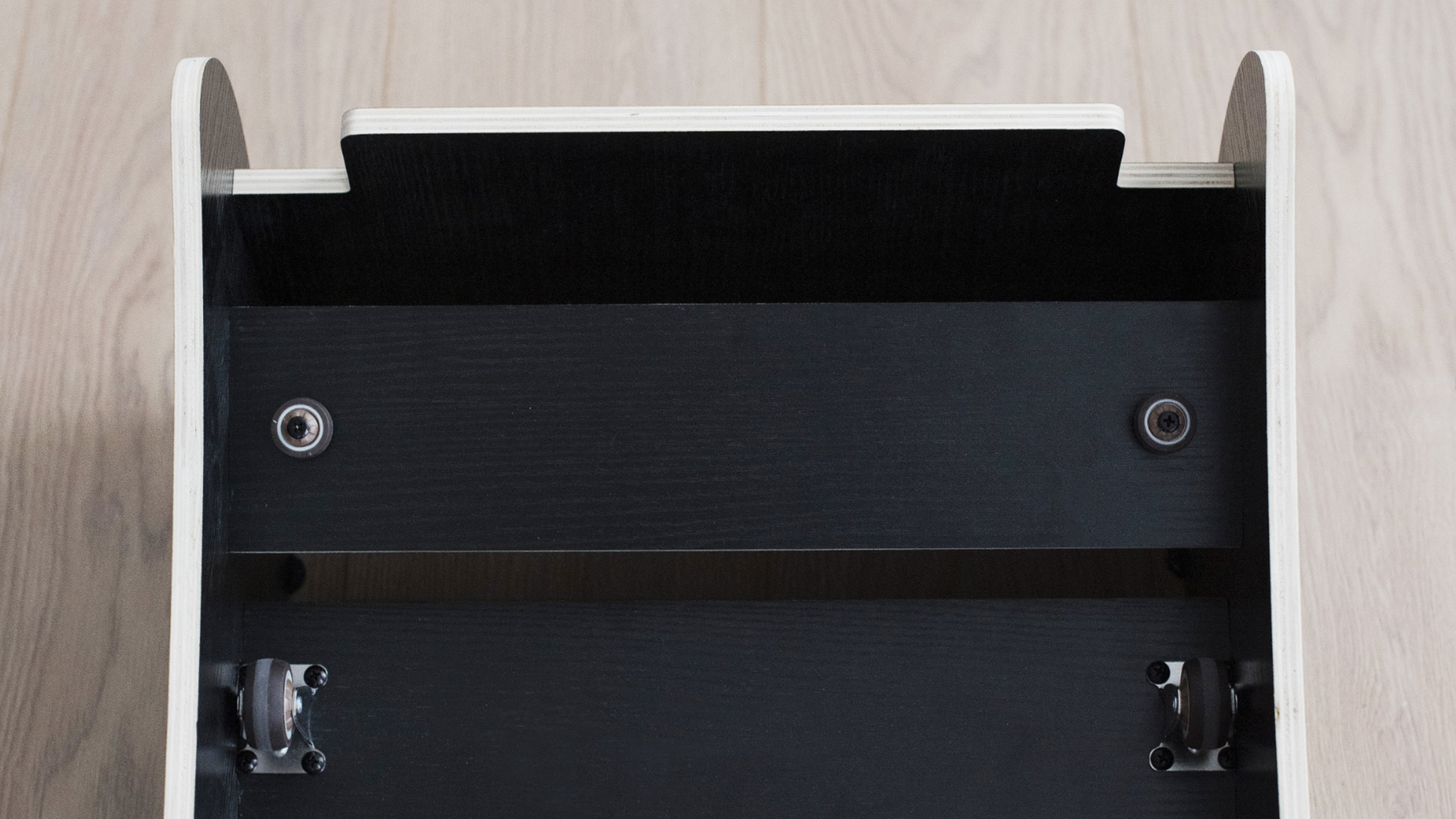
Make sure Plate A and Plate B are assembled according to your specific manual.
2. Reference By Model
Version Without "T-Part"
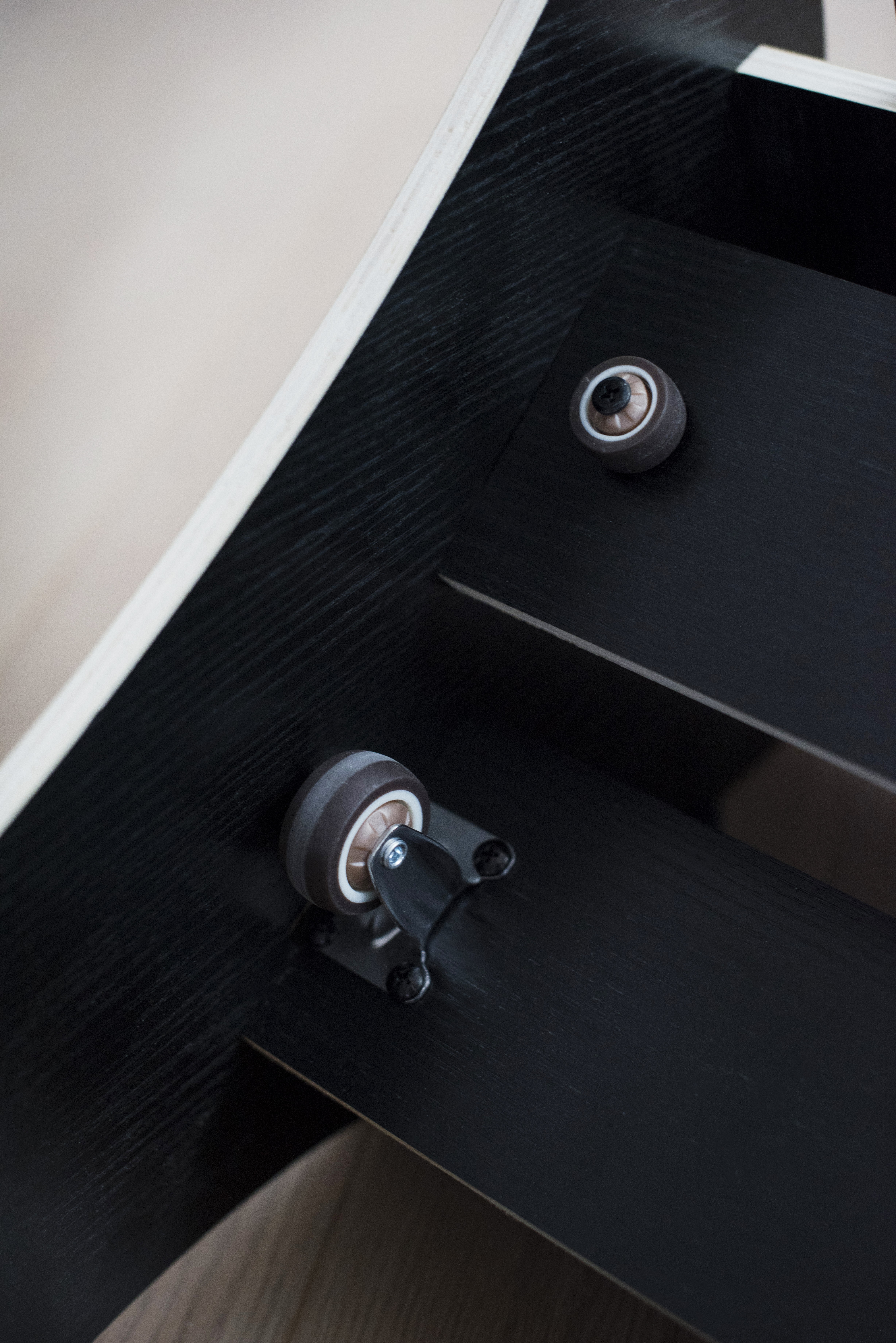
This order is correct for the version without the "T-part".
Version With "T-Part"
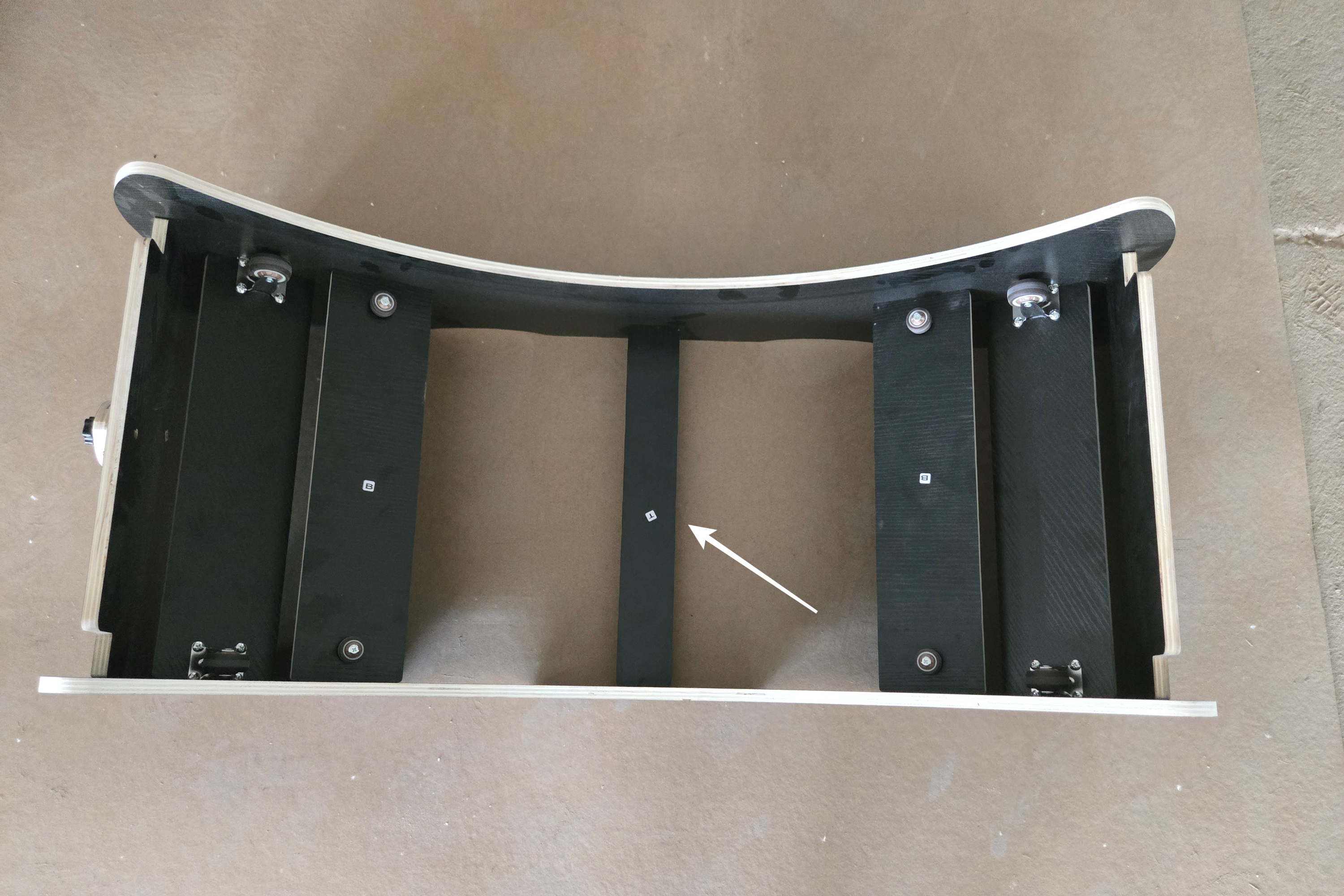
This order is correct for the version with the "T-part".
My Cat Is
Not Interested
It is incredibly common for cats to sleep on the wheel rather than run at first. Do not panic. Most cats can be enticed to run using our proven 4-step framework:

1. Environment Check
Place the wheel in a quiet spot where your cat already feels safe. Avoid high-traffic areas or loud appliances.
2. The Acclimation Phase
Allow them to investigate on their own terms for several days. Make it normal furniture by placing it near their bed.
3. Training & Dynamics
Keep sessions short using high-value treats. In multi-cat homes, ensure a dominant cat hasn't "claimed" the wheel.
4. Health & Lifestyle
Are they free-feeding? Switching to scheduled feeding and monitoring their weight increases natural energy levels.
Wobbly Wheel
If your wheel lacks stability or rocks back and forth, check these external elements before inspecting the assembly.
1. CHECK THE FLOOR
Thick carpets or uneven tiling will cause a wobble. Ensure the base is on a perfectly flat, hard surface.
2. BASE PLATE SCREWS
A loose base is a wobbly base. Re-tighten all screws connecting the base plates together.
3. TRACK ALIGNMENT
Ensure the wheel is sitting squarely on all rollerblade wheels, not riding the outer edges.
A wobbly wheel is almost always caused by a slight difference in track width. This happens when the running slats (Plates E & F) aren't pushed completely down into the wooden grooves.

The slat is resting slightly on the edge of the groove, leaving a visible gap and making the wheel wider on one side.

Plates E & F are fully inserted and sit perfectly flush inside the groove before tightening.
1 Loosen & Reseat
Slightly loosen the "M" screws along the wobbly section. Firmly push Plates E and F deep into the grooves so they sit flush.
2 Align the Arches
Before tightening the screws back down, make sure the two outer arches are perfectly aligned with each other.
3 Lock it In
Once everything is completely flush and squarely aligned, fully tighten the screws to lock the uniform width in place.
Quick Answers
Other common questions about your wheel.
I lost my assembly instructions
No problem. We maintain digital versions of all our manuals. You can download the PDF here.
How do I clean the track?
Use a damp cloth with mild soap. Do not use harsh chemicals or soaking wet sponges, as this can degrade the EVA foam padding over time.
How often should I check the bolts?
For heavy runners (like Bengals), we recommend doing a quick tightness check on the base bolts and wheel nuts once a month to ensure peak, silent performance.
Need a Replacement Part?
If something arrived broken or missing, fill out the form below. We will expedite a replacement immediately.
Still Stuck?
Our dedicated support team is ready to help you tune your wheel to perfection.
Contact Support